People's Science Institute, next to SBILD Building, ITBP Road, 248001
EnvironmentalQualityControl
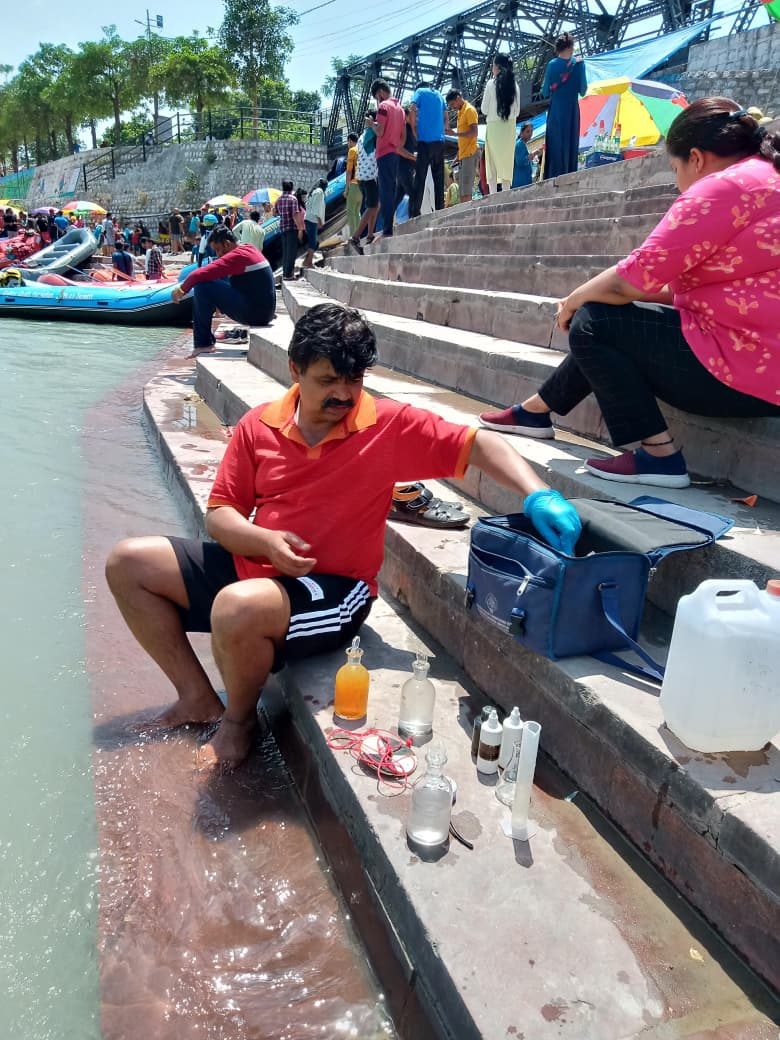
PSI uses scientific methods to monitor environmental quality, assess pollution, and generate evidence to support better environmental management and public health.
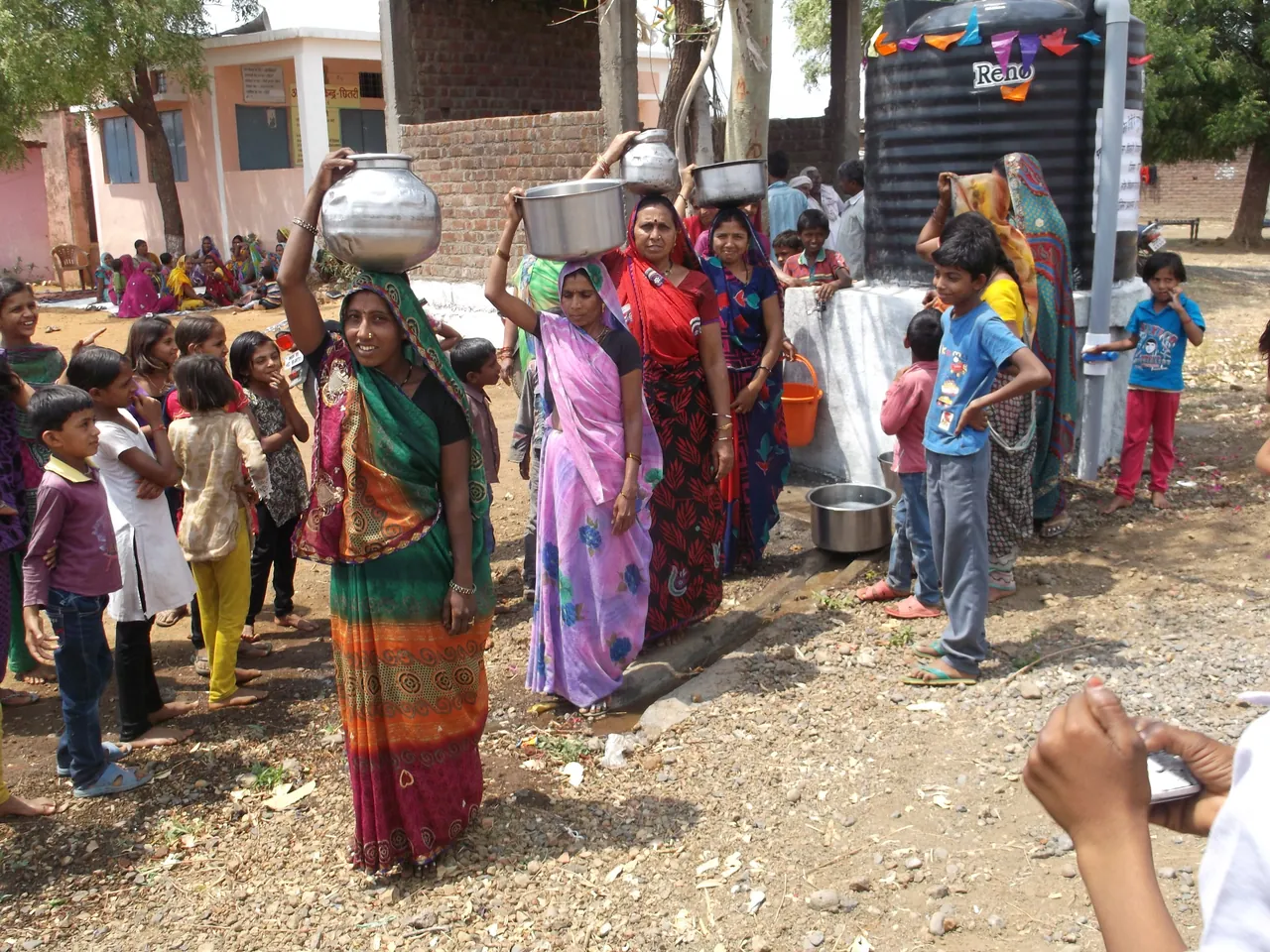
Fluorosis is a crippling disease caused by fluoride contaminated drinking water. Fluoride concentrations below 1.0mg/l are considered safe.
In 2025 the Central Ground Water Board identified 263 districts (36%) with problem areas. Between 2009-2014 PSI’s Environment Quality Monitoring Group combined hydrogeology, water quality testing and community action to successfully implement a simple, sustainable, low-cost fluorosis mitigation approach in villages of Dhar (M.P.) and Sonebhadra (U.P.).
System mapping of air quality pollution, 2022 to 23
4cities: Ahmedabad, Bhubaneswar, Indore and Mumbai
Stakeholders consultations in Ahmedabad, Bhubaneswar, Indore and Mumbai cities through the support of USAID-India to engage local actors including slum dwellers to identify gaps, priorities, and existing efforts in the local system and come up with locally led collaborative mitigation measures
PSI conducted a study which focused on local stakeholders and communities’ knowledge in combating the rapidly increasing air pollution in Indian cities, the data was collected from four major Indian cities that is Ahmedabad, Bhubaneswar, Indore and Mumbai. The study was funded by the USAID and Government of India.
The team interviewed major stakeholders, documented the engagement around civic issues and studied resources to understand the ground reality of policies and engagement on pollution. The analysis produced a comprehensive report that covered the community’s understanding of air pollution and mobilisation around it to a mainstream framework of knowledge.
It also pointed out the opportunities that USAID can have with the local actors and implement the local knowledge on policy level.