People’s Science Institute

Food Security and Agro-ecology

PSI promotes sustainable farming practices that conserve natural resources, strengthen local food systems, and improve the livelihoods and food security of farming communities.

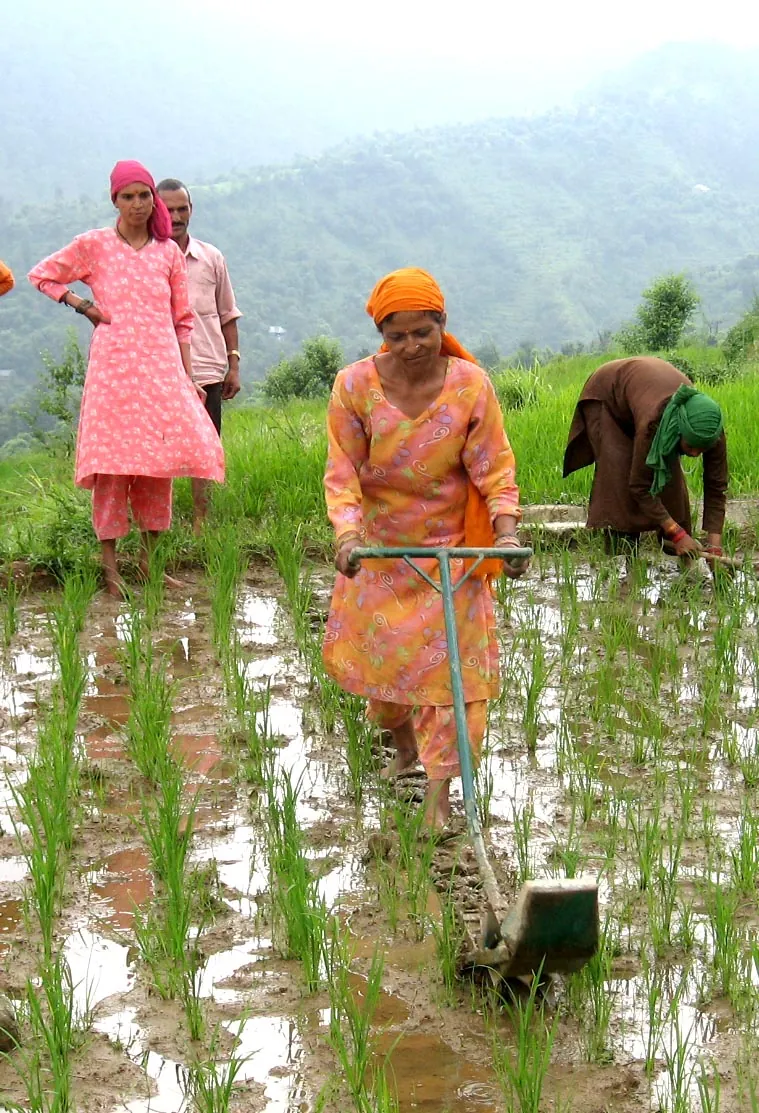
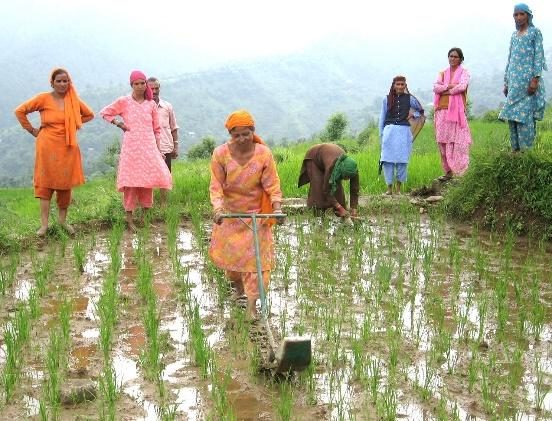
Women stand in a flooded green paddy field

From our work over the years

2006

More food from the same land

System of Crop Intensification

  • 40% to 100%+higher crop productivity

Decreasing farm holdings and low productivities of farms in Himachal and Uttarakhand force most farmers to annually purchase substantial rice and wheat, their staple foods. To enhance their farm productivities, in 2006 we began promoting the System of Crop Intensification (SCI) among them.

Using agro-ecological principles, we demonstrated that with less seeds, water and switching to organic manure, crop productivities could increase from 40% to over 100%. Lower input costs and higher production increased money.

Later, with state and NGOs’ support, we extended SCI to other crops like maize and rajma and enabled thousands of farmers annually to successfully adopt SCI principles on trial plots in Himachal, Uttarakhand, Bundelkhand and Odisha.

In 2012 I harvested 980kg of wheat from my farm, which had never yielded more than 640kg, using the SCI principles. I cut my market wheat purchase from 600kg to only 300kg.

Paras Ram, a Dalit farmer in Hamirpur (H.P.)
See it on the timeline
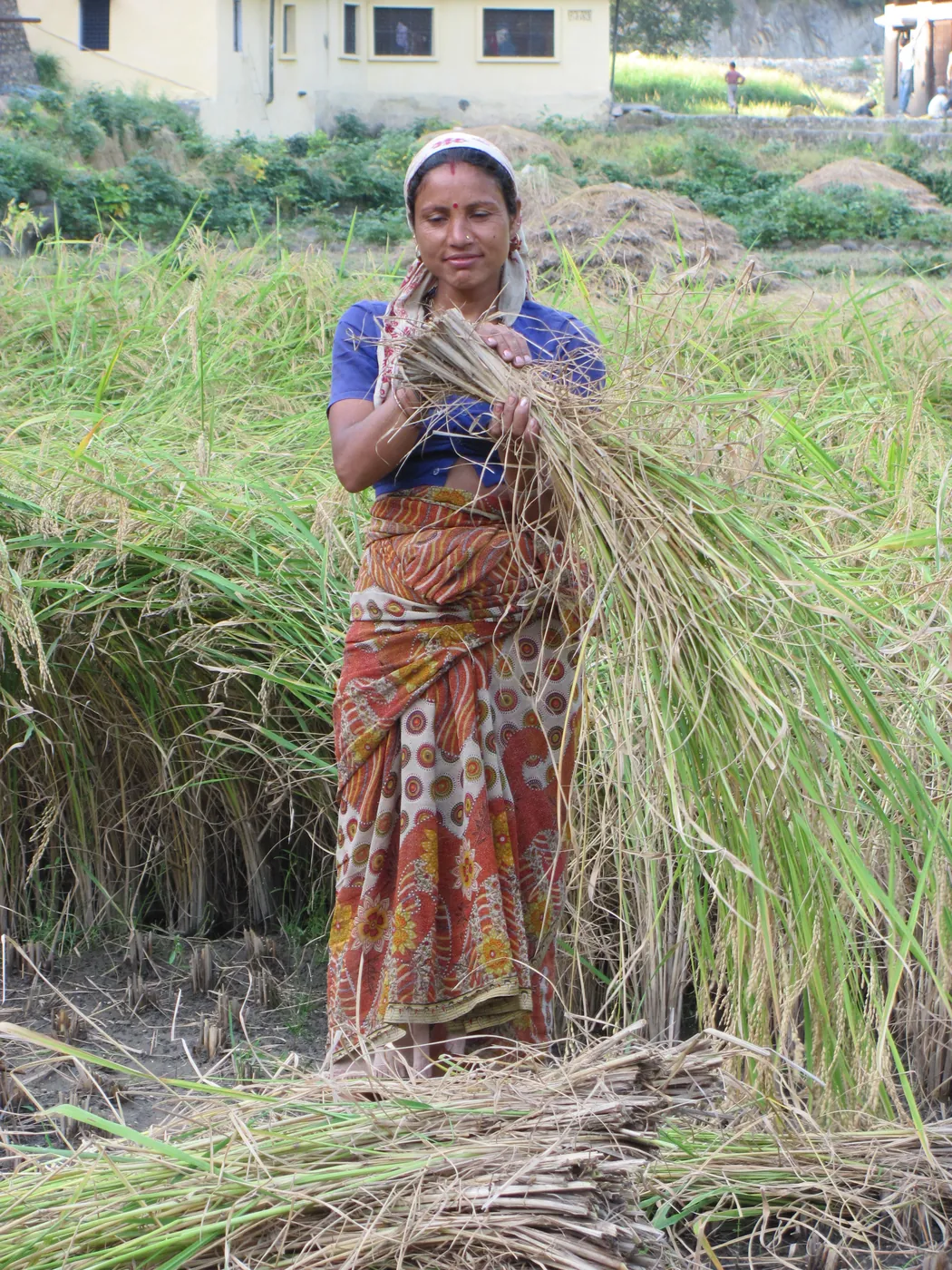
Open a larger view: A farmer holds a large bundle of harvested grain
Open a larger view: Women work in a green paddy field

2010

Bundelkhand: self-reliant villages

  • 125Farmers Interest Groups
  • 15K to 20Kmore family income per year (FY24, reported)
  • 14years of work

Impressed by PSI’s GSA programme in Odisha, MoRD approached us in 2010 to implement a similar programme of poverty eradication through self-reliant development in Bundelkhand.

In Bundelkhand, the focus was on training village youths as local resource persons, establishing trained village level institutions, empowering women, and improving food, nutrition and livelihood security in a socially-just manner. The latter include farm ponds for irrigation, SCI, NPM, vegetable cultivation and marketing surpluses.

In 14 years, we have reportedly helped increase family incomes by 15K to 20K per year (FY24). The villagers established 125 Farmers Interest Groups (FIGs).

See it on the timeline

Our partners and supporters

  • Sir Ratan Tata Trust
  • WWF-India
  • ICIMOD
  • GIZ
  • ACWADAM
  • IIT Roorkee
  • University of Birmingham
  • University of Arizona
  • University of Delhi
  • IWMI
  • CGIAR
  • Hero MotoCorp
  • NIUA
  • MoHUA
  • USAID
  • CAPART
  • Department of Science and Technology
  • Planning Commission
  • BIOME Environmental Trust
  • CEDA
  • IIT Kanpur
  • ICAR-NBFGR
  • Gwalior Municipal Corporation
  • Government of Uttarakhand
  • MoRD