People’s Science Institute

Integrated Water Resource Management

How to protect the Himalayas’ traditional water systems.

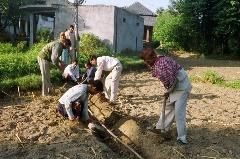
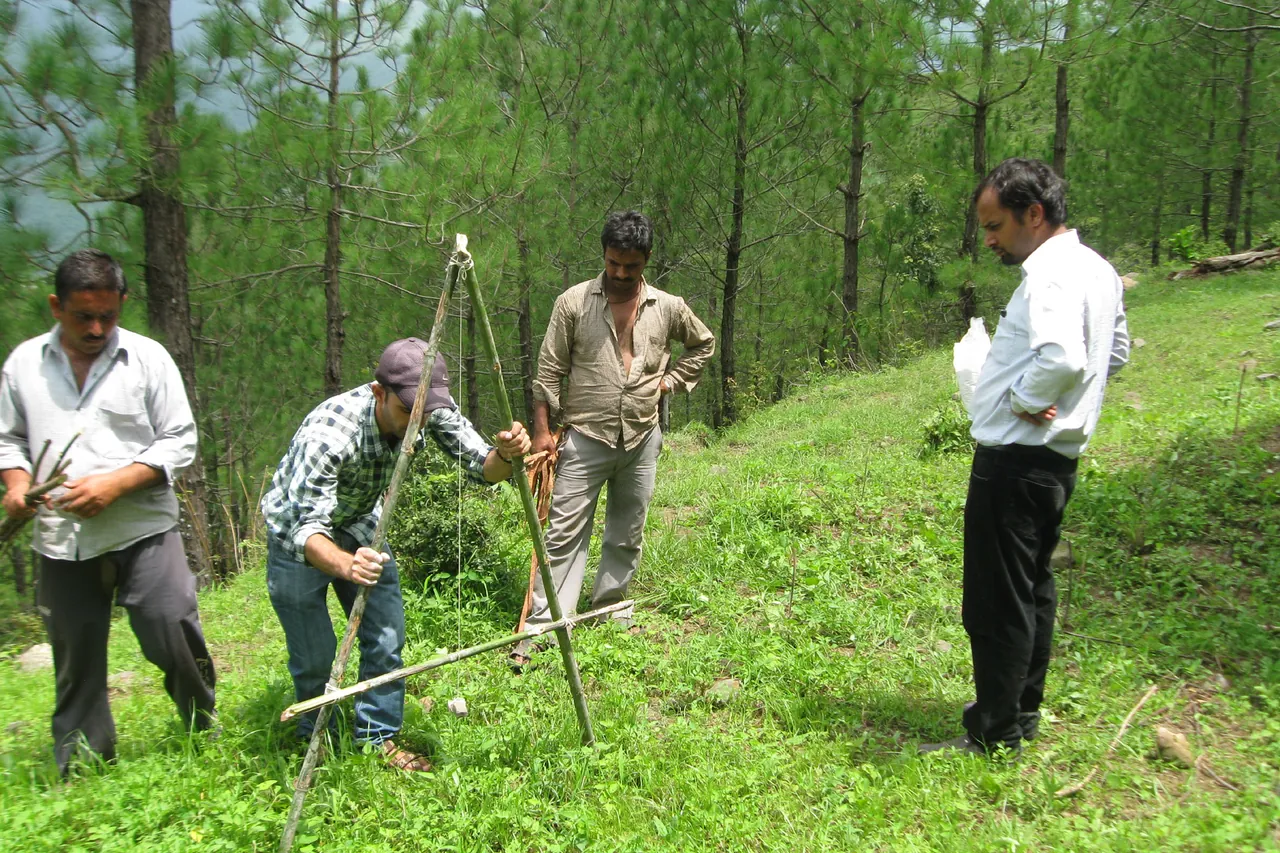
Villagers learn to measure slope and mark trenches with an A-frame for spring revival in Uttarakhand

From our work over the years

2000

From consumption to conservation

Reviving the Himalayas’ water wisdom

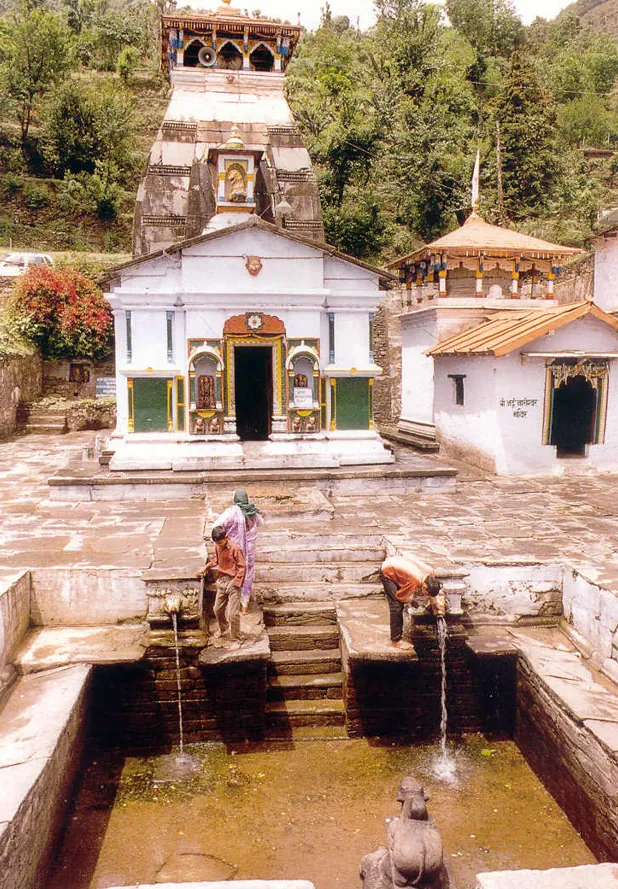
Over millennia, Himalayan communities have built rain water harvesting structures that have functioned for centuries. They are living examples of sustainable technologies.

In response to growing water supply problems in rural Himachal and Uttarakhand in the 1990s, we researched and analysed their water histories.

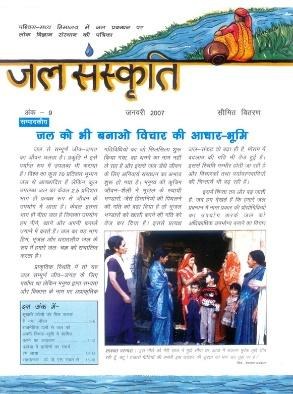
An extensive outreach effort to villagers, panchayats, activists and officials included publication of a monograph and a popular quarterly Hindi newsletter; photo-exhibitions, meetings, workshops, exposure tours for villagers, live demonstrations of appropriate technologies and state-level conferences.

It created tremendous interest in reviving defunct water harvesting structures, and making water policy recommendations in both states.

Gaon Ka Pani, Gaon Ka Adhikar

  • 10,000hatwo watershed projects
  • 100+villages
  • 0tankers needed after the project

Between 2000 and 2005 we implemented two large watershed projects in Pauri Garhwal (Uttarakhand) and Hamirpur (H.P.) districts, spanning almost 10,000ha in 100+ villages. Watershed villages in Hamirpur district suffered annual water shortages.

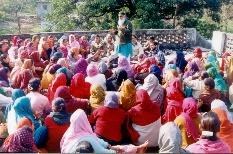
Women being the main household water gatherers, we focussed on mobilizing women power. The response was stupendous.

When the project ended no tankers were required to supply water in these villages. Surplus watershed villages supplied villages beyond the watershed.

The people of Dabkerh and Bhusal villages installed their own water supply systems replacing the state water supply agency!
See it on the timeline
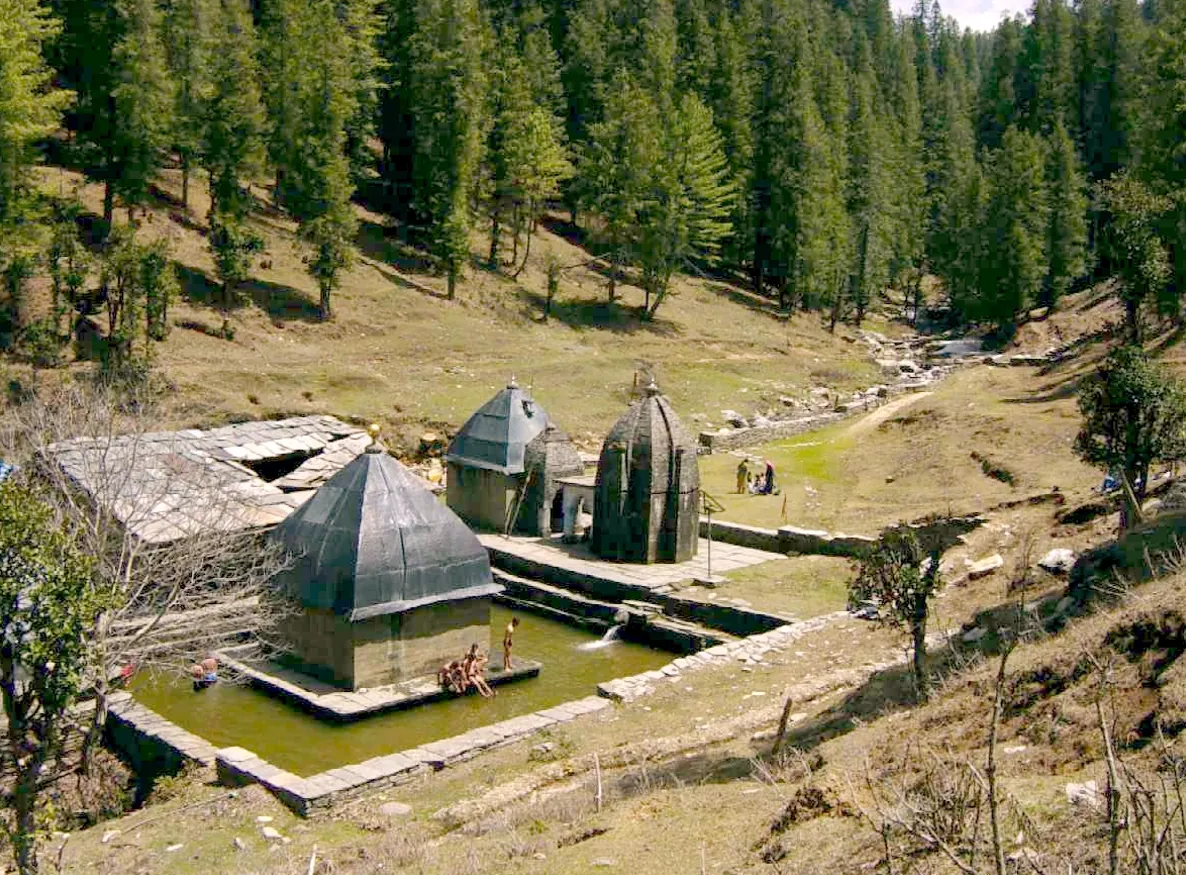
Open a larger view: Old stone spring shrines, called naulas, in a pine forest
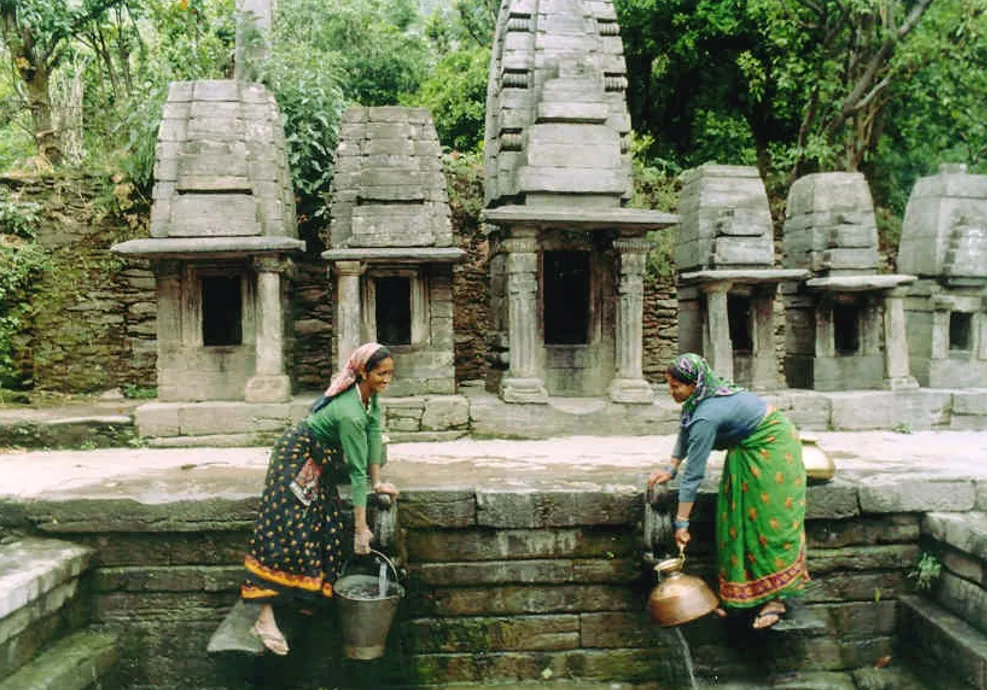
Open a larger view: Women collect water at a traditional naula
Open a larger view: A small shrine built above a stone water tank
Open a larger view: Cover of Jal Sanskriti, the Hindi water newsletter
Open a larger view: Cover of the book Survival Lessons
Open a larger view: Villagers digging a channel by hand
Open a larger view: Village women seated together at a meeting

2019

How much water does a river need?

E-flow assessment, Uttar Pradesh, 2019 to 20

  • 8rivers assessed
  • 2phases

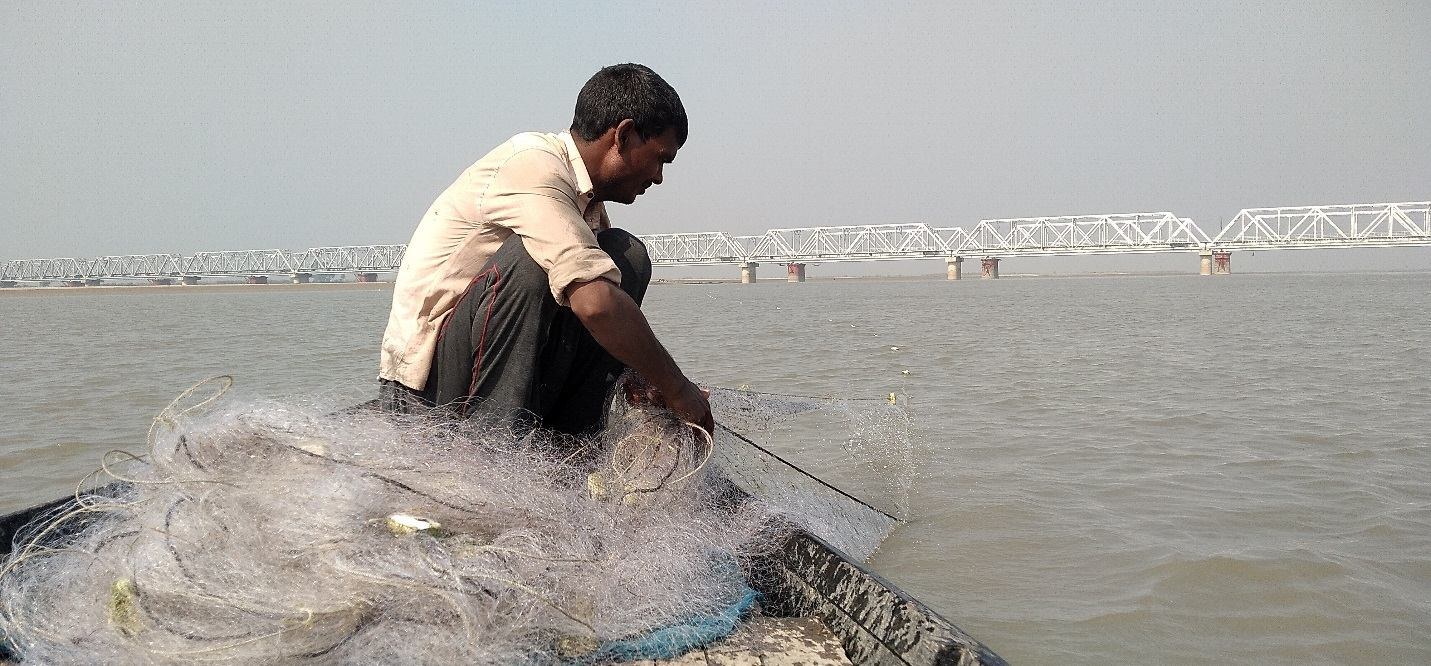
Developing minimum flow requirement to meet the socio-cultural needs of rivers through study done across 8 rivers of Uttar Pradesh, supported by WWF-India. Rivers, though being the source of livelihood for millions of Indians, have been facing severe degradation due to increasing water pollution.

PSI, along with Uttar Pradesh Water Management and World Wide Fund for Nature - India (WWF-India), did a significant E-flow assessment of all eight major rivers in the state of Uttar Pradesh. This included checking the quality, quantity and required quantity of water that is needed to maintain the freshwater ecosystem.

The task was completed in two phases, wherein in Phase-1, the Sharda, Ghaghra, Gomti, Rapti and additional sites of Ganga were taken up for E-Flows assessment, whereas in Phase-2, Yamuna, Gandak and Sone were assessed.

Along with PSI, the project also had significant contributions from other stakeholders such as cGanga IIT Kanpur, Terraqua UAV IIT Kanpur and ICAR-NBFGR Lucknow.

The initiative culminated in key recommendations for the state government and WWF-India to ensure adequate water depth, quality, and river flow for the protection of aquatic biodiversity and species.

See it on the timeline
Open a larger view: A man sits on a boat with a fishing net on a wide river

Our partners and supporters

  • Sir Ratan Tata Trust
  • WWF-India
  • ICIMOD
  • GIZ
  • ACWADAM
  • IIT Roorkee
  • University of Birmingham
  • University of Arizona
  • University of Delhi
  • IWMI
  • CGIAR
  • Hero MotoCorp
  • NIUA
  • MoHUA
  • USAID
  • CAPART
  • Department of Science and Technology
  • Planning Commission
  • BIOME Environmental Trust
  • CEDA
  • IIT Kanpur
  • ICAR-NBFGR
  • Gwalior Municipal Corporation
  • Government of Uttarakhand
  • MoRD