People’s Science Institute

Watershed Based Livelihood Development

PSI promotes watershed development through scientific soil and water conservation measures, rainwater harvesting, and groundwater recharge. It works with local communities to improve water availability, strengthen agricultural productivity, and build resilience to droughts and climate change.

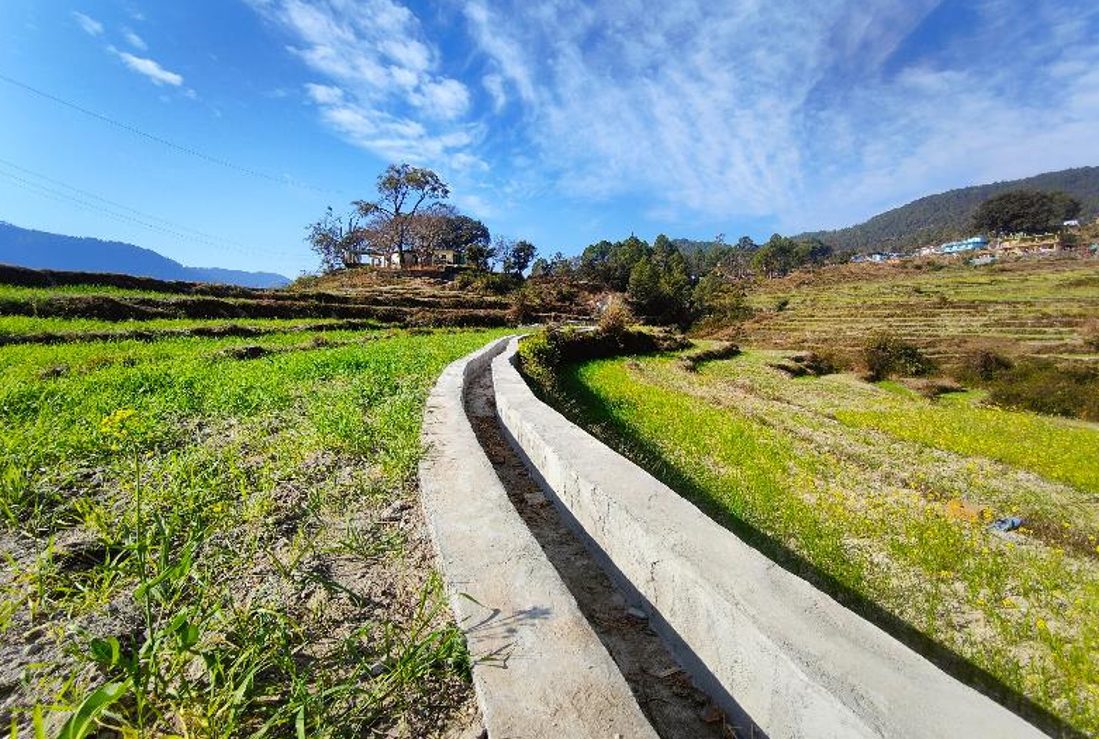
A concrete irrigation channel running through green terraced fields

From our work over the years

1992-93

Fighting drought, village by village

Sukha Mukti Abhiyan, Palamu

  • 125villages
  • 143earthen dams
  • 4,000acres of irrigation potential
  • Rs2.70croreexpenses managed

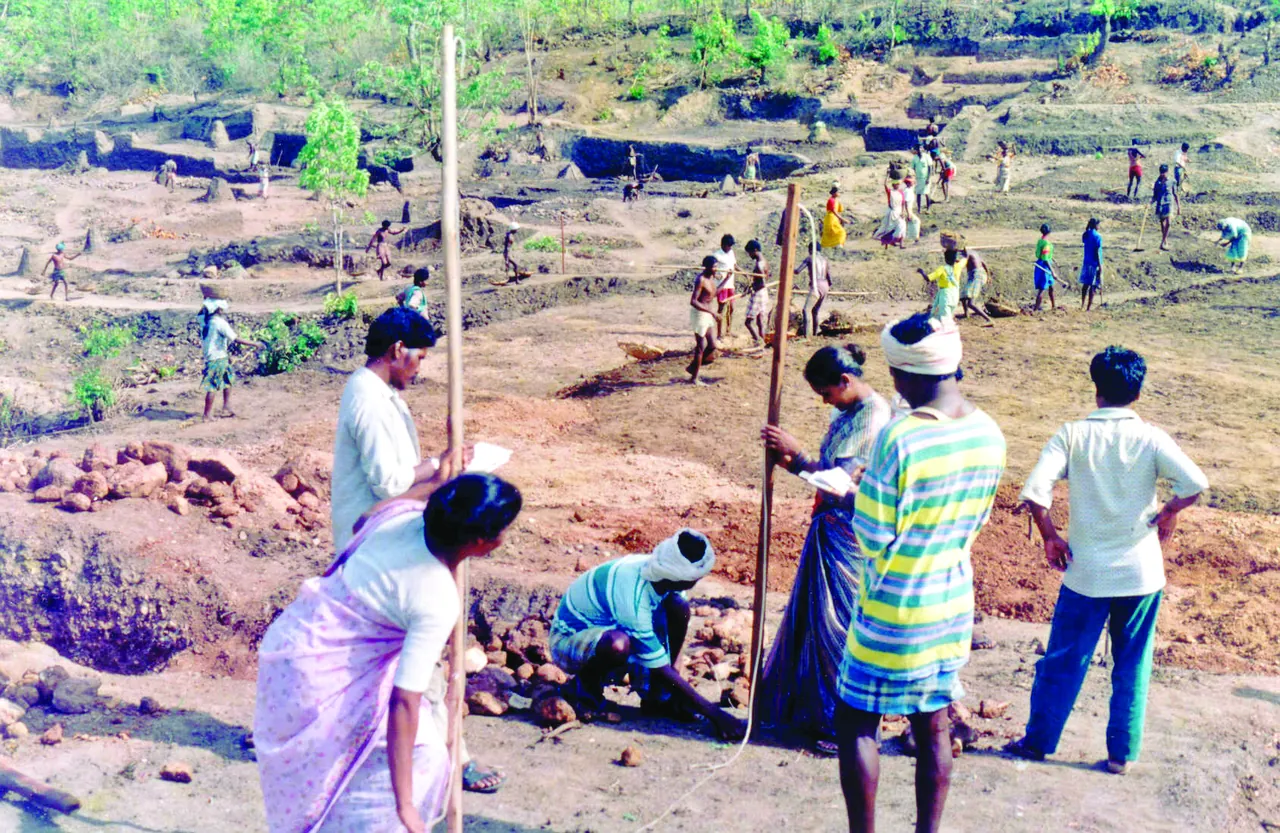
PSI coordinated the Sukha Mukti Abhiyan, in response to the severe drought of 1992-93 in Palamu district.

We created a unique 3-way partnership of Pani Panchayats (villagers’ implementing agencies), district administration (funding agency) and the PSI-led Pani Chetna Manch (PCM) consisting of local youths (coordinators) to implement a drought-proofing programme.

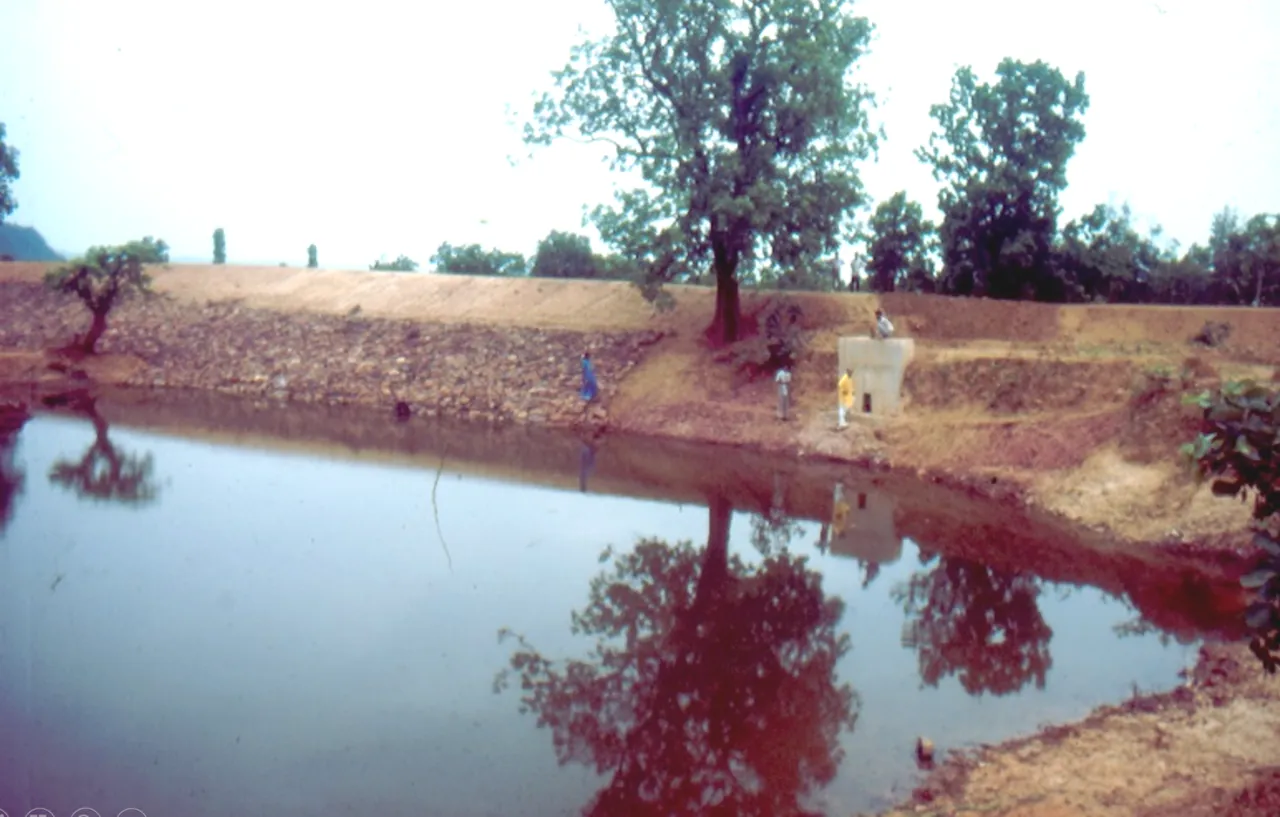
In 2 years PCM guided Pani Panchayats in 125 villages to build 143 earthen dams, with an irrigation potential of about 4000 acres, and manage expenses totalling Rs 2.70 crores. The Indian Government later adapted many SMA procedures to prepare the National Watershed Development Programme guidelines.
See it on the timeline
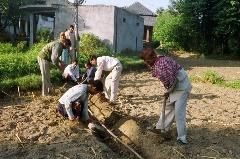
Open a larger view: Villagers measure land with a pole during drought-proofing work in Palamu
Open a larger view: An earthen dam holding a pond of water in a dry landscape

2000

From consumption to conservation

Reviving the Himalayas’ water wisdom

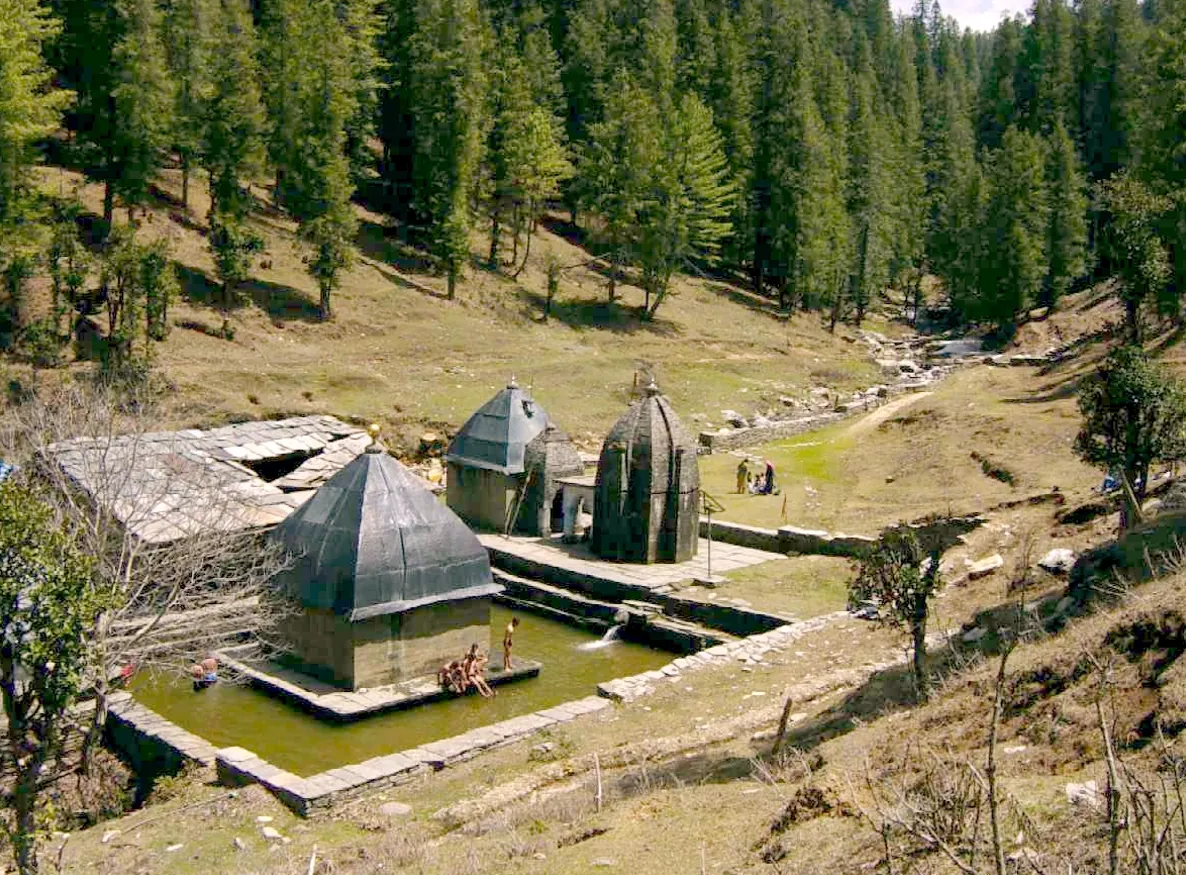
Over millennia, Himalayan communities have built rain water harvesting structures that have functioned for centuries. They are living examples of sustainable technologies.

In response to growing water supply problems in rural Himachal and Uttarakhand in the 1990s, we researched and analysed their water histories.

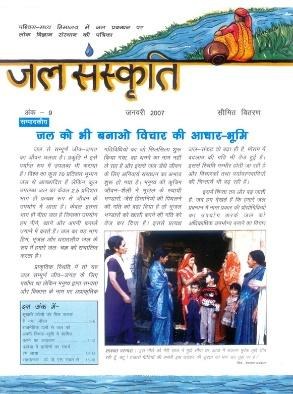
An extensive outreach effort to villagers, panchayats, activists and officials included publication of a monograph and a popular quarterly Hindi newsletter; photo-exhibitions, meetings, workshops, exposure tours for villagers, live demonstrations of appropriate technologies and state-level conferences.

It created tremendous interest in reviving defunct water harvesting structures, and making water policy recommendations in both states.

Gaon Ka Pani, Gaon Ka Adhikar

  • 10,000hatwo watershed projects
  • 100+villages
  • 0tankers needed after the project

Between 2000 and 2005 we implemented two large watershed projects in Pauri Garhwal (Uttarakhand) and Hamirpur (H.P.) districts, spanning almost 10,000ha in 100+ villages. Watershed villages in Hamirpur district suffered annual water shortages.

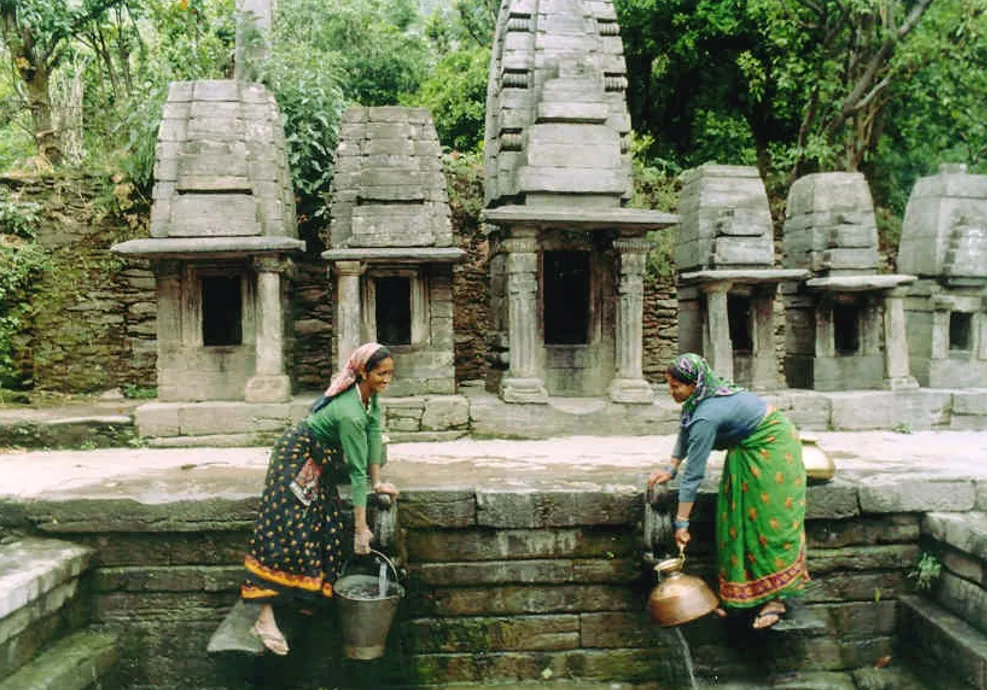
Women being the main household water gatherers, we focussed on mobilizing women power. The response was stupendous.

When the project ended no tankers were required to supply water in these villages. Surplus watershed villages supplied villages beyond the watershed.

The people of Dabkerh and Bhusal villages installed their own water supply systems replacing the state water supply agency!

See it on the timeline
Open a larger view: Old stone spring shrines, called naulas, in a pine forest
Open a larger view: Women collect water at a traditional naula
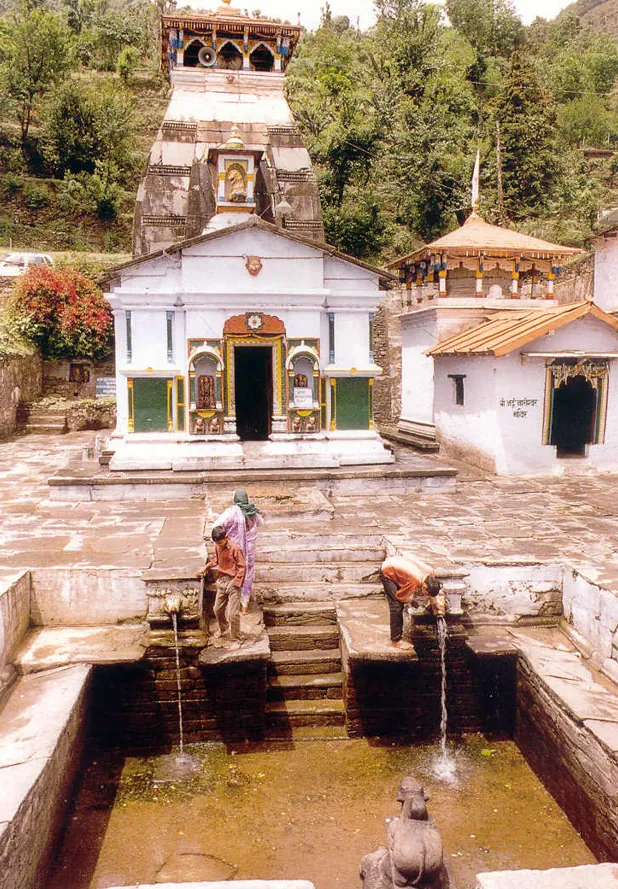
Open a larger view: A small shrine built above a stone water tank
Open a larger view: Cover of Jal Sanskriti, the Hindi water newsletter
Open a larger view: Cover of the book Survival Lessons
Open a larger view: Villagers digging a channel by hand
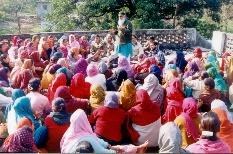
Open a larger view: Village women seated together at a meeting

2010

Bundelkhand: self-reliant villages

  • 125Farmers Interest Groups
  • 15K to 20Kmore family income per year (FY24, reported)
  • 14years of work

Impressed by PSI’s GSA programme in Odisha, MoRD approached us in 2010 to implement a similar programme of poverty eradication through self-reliant development in Bundelkhand.

In Bundelkhand, the focus was on training village youths as local resource persons, establishing trained village level institutions, empowering women, and improving food, nutrition and livelihood security in a socially-just manner. The latter include farm ponds for irrigation, SCI, NPM, vegetable cultivation and marketing surpluses.

In 14 years, we have reportedly helped increase family incomes by 15K to 20K per year (FY24). The villagers established 125 Farmers Interest Groups (FIGs).

See it on the timeline

Our partners and supporters

  • Sir Ratan Tata Trust
  • WWF-India
  • ICIMOD
  • GIZ
  • ACWADAM
  • IIT Roorkee
  • University of Birmingham
  • University of Arizona
  • University of Delhi
  • IWMI
  • CGIAR
  • Hero MotoCorp
  • NIUA
  • MoHUA
  • USAID
  • CAPART
  • Department of Science and Technology
  • Planning Commission
  • BIOME Environmental Trust
  • CEDA
  • IIT Kanpur
  • ICAR-NBFGR
  • Gwalior Municipal Corporation
  • Government of Uttarakhand
  • MoRD