Water Resources in the Himalayan Region, Planning Commission
The study examined the sustainability of water resources management in the Himalayan regions. The analysis covered the water availability, springs, rivers, traditional harvesting systems for irrigation and domestic water supply.
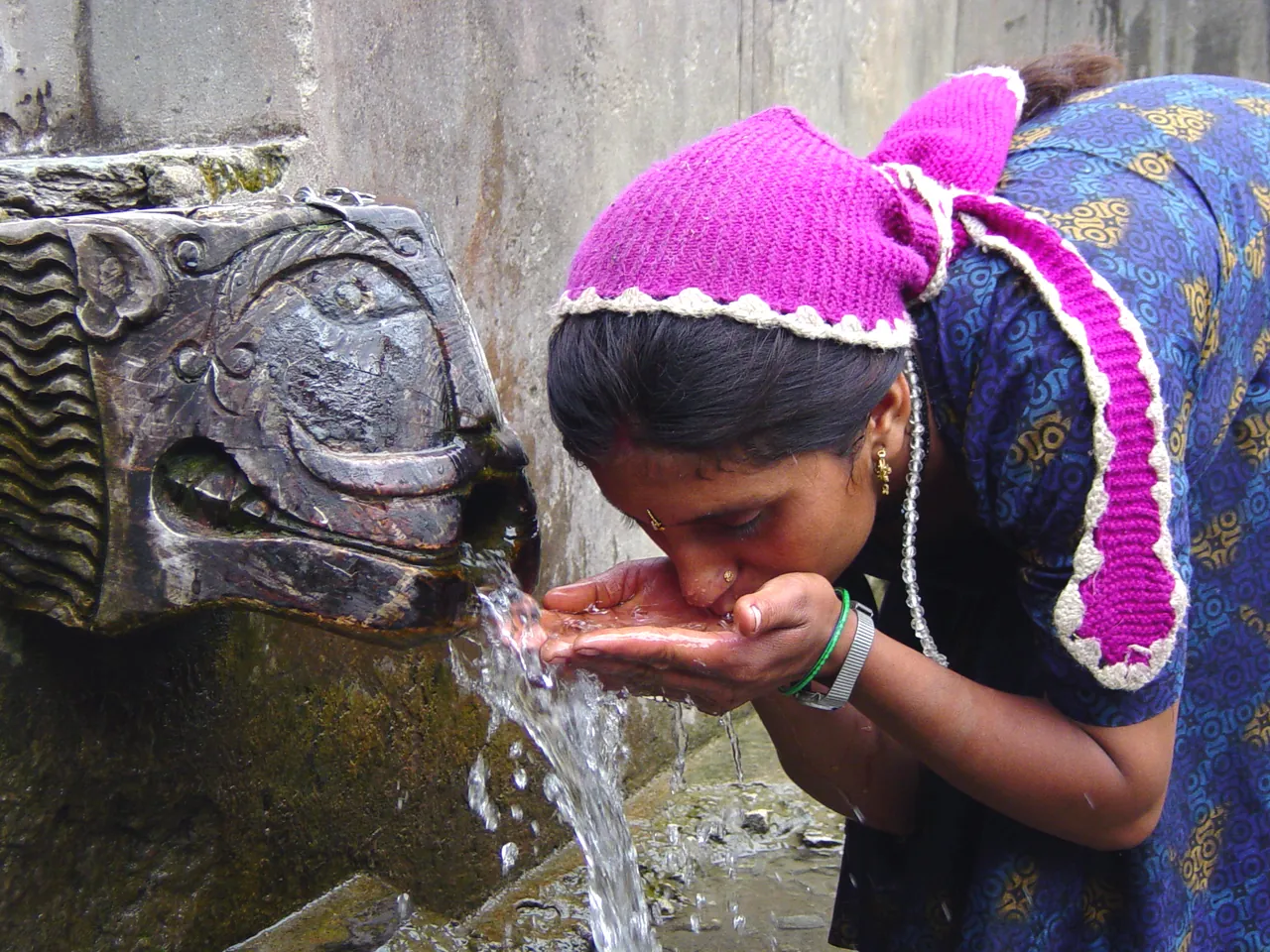
With the assistance of local communities, Panchayats, government departments, NGOs, Technical experts, PSI’s team conducted various data collection methods such as field studies, existing data analysis and thorough studies of ‘Naulas’ (a traditional stone structure built across underground seepage) in Uttarakhand.
The research found that the traditional water systems have been drying up due to the watershed destruction and hydropower projects diverting river flows, despite the fact that communities often return to these because far reaching villages face irregular piped supply.
It also found that high rainfall does not ensure water security because steep gradients create high surface runoff and sources may dry up. The report recommends protecting traditional water systems by establishing springs sanctuaries to enhance base flows, rivers and streams, community led initiatives and safe hydropower development.